How Recycled Polyester Reduces Waste And What To Check
Tired of greenwashing and vague eco-claims? You see recycled polyester on labels everywhere, but does it actually help the planet or help brands sell more? Let's look at how this fabric works and how you can spot the real deal.
What Exactly Is Recycled Polyester Fabric?
Recycled polyester fabric is made from plastic waste rather than new petroleum. Most of the time, those clear plastic water bottles (PET) you see in recycling bins are the primary source. Instead of letting that plastic sit in a landfill for 400 years, manufacturers break it down and turn it into thread.
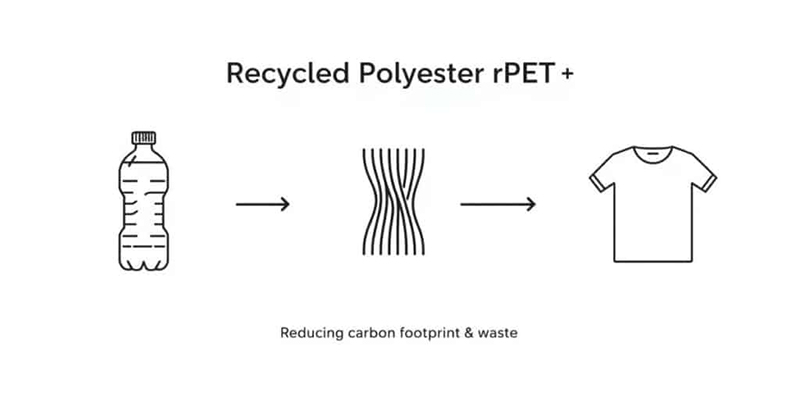
The process usually involves two methods: mechanical and chemical. Mechanical recycling is the most common. The plastic bottles are washed, shredded into flakes, melted, and then spun into new yarn. Chemical recycling is more expensive but can return plastic to its original molecular state, making the quality almost identical to that of brand-new polyester.
When you wear recycled polyester clothing, you are essentially wearing old bottles given a second life. The best part? It feels and performs almost exactly like the virgin polyester we've used for decades. It's durable, sweat-wicking, and doesn't wrinkle easily. It gives us a way to use what we already have rather than digging for more oil.
How This Fabric Actually Reduces Waste
You might wonder if one shirt really makes a difference. To put it in perspective, it takes about 5 to 10 plastic bottles to make a single T-shirt. Here is how choosing recycled polyester helps the environment in concrete ways:
1. Keeping Plastic Out of Oceans: A huge amount of recycled plastic is ocean-bound, meaning it was collected near coastlines before it could wash out to sea. This protects fish and birds from eating plastic.
2. Cutting Energy Use: Making recycled yarn uses about 30% to 50% less energy than creating polyester from scratch. Since we aren't pumping new oil out of the ground to make it, the carbon footprint drops significantly.
3. Saving Landfill Space: Every ton of recycled plastic saves several cubic yards of landfill space. By choosing recycled gear, you're helping slow down the rate at which our trash piles grow.
It's a great step toward a circular way of living, where we stop making new trash and start using what we already have. But there is a catch: not all recycled clothes are created equal, and you need to know what to look for on the tag.
5 Practical Tips To Spot Genuine Recycled Polyester Clothing
Since you can't see the difference with your eyes, you have to be a bit of a detective. Brands know that eco-friendly sells, so some might exaggerate their claims. Here is what you should check before you spend your money.
1. Look For The GRS Certification
The Global Recycled Standard (GRS) is the most trusted mark. If a garment has this logo, it means a third party has tracked the material from the recycling center to the final factory. It also ensures fair labor conditions and that no harmful chemicals are used during processing. If you don't see GRS, look for SCS Recycled Content or OEKO-TEX labels.
2. Check The Percentage On The Care Label
Don't just trust the big Recycled tag on the front. Flip the garment over and find the small white care label inside. A truly sustainable piece of recycled polyester clothing should ideally contain at least 50% recycled content. Some high-quality brands hit 100%. If it's only 5% or 10%, the brand is likely just using the name to look better than it actually is.
3. Price Vs. Quality
While recycled fabrics are becoming more common, they still cost a bit more to produce than cheap, virgin plastic. If you see a recycled shirt for $5 at a fast-fashion outlet, be skeptical. Often, these brands use the cheapest possible recycling methods that might not last, or cut corners on the recycled claim itself.
4. Brand Transparency
Check the brand's website. Do they tell you where the plastic came from? Do they mention the name of the recycling facility? Brands that are actually doing the work are usually proud to share the details. If their About Us page is full of vague words like 'nature-loving' and 'earth-friendly' without any real data, keep looking.
5. The Feel Test
While modern technology makes recycled polyester fabric very soft, some lower-end recycled materials can feel slightly stiffer or crunchier than virgin polyester. This isn't always a sign of a fake, but it can indicate the quality of the recycling process. High-end recycled gear should feel just as smooth and stretchy as high-performance athletic wear.
Which Items Are Best To Buy In Recycled Versions?
Not everything needs to be made of polyester. However, for certain types of clothing, recycled polyester is actually a better choice than natural fibers like cotton because it lasts longer and handles moisture better.
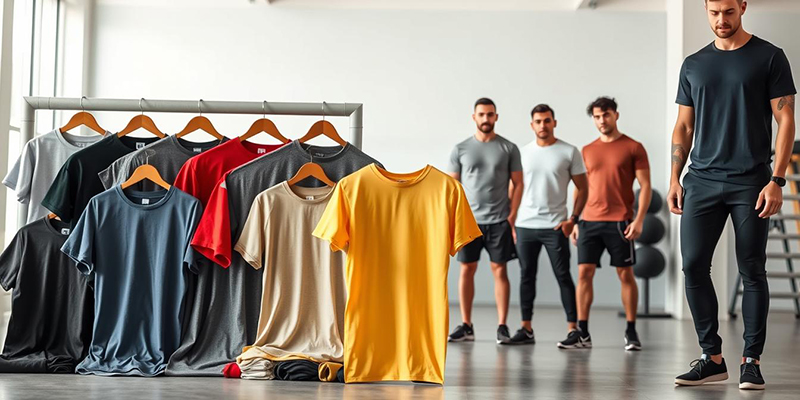
- Activewear and Gym Gear: If you run or lift weights, you need something that dries fast. Recycled polyester is ideal for leggings and shirts because it absorbs less moisture than cotton.
- Rain Jackets and Windbreakers: These items need to be tough and water-resistant. Recycled plastic naturally sheds water well.
- Swimwear: Most swimsuits are made of nylon or polyester. Choosing recycled versions helps keep the very oceans you're swimming in a little cleaner.
- Backpacks and Totes: Since these don't touch your skin directly, the slightly stiffer feel of some recycled fabrics isn't an issue, and the durability is excellent for carrying heavy books or groceries.
If you are buying everyday basics like t-shirts or underwear, you might still prefer organic cotton or hemp for breathability. But for anything that needs to be tough, recycled plastic is the winner.
Comparing Recycled Polyester To Other Common Fabrics
How does it stack up against what's already in your closet?
Compared to virgin polyester, the recycled version performs almost identically. Both are very durable and dry quickly. The main difference is the source: one comes from a fresh oil well, and the other comes from a trash bin. Choosing the recycled version is an easy way to lower your personal carbon footprint without losing any quality.
Compared to conventional cotton, recycled polyester is much more durable. Cotton takes a massive amount of water to grow—thousands of gallons for just one shirt—and often uses heavy pesticides. While cotton is more breathable, it wears out faster and loses its shape. For long-term use, a recycled synthetic jacket will likely outlast three or four cotton ones.
How To Care For Your Recycled Clothes The Right Way
Buying the right fabric is only half the battle. To be truly eco-friendly, you need to wash it correctly. All synthetic fabrics, including recycled polyester, shed tiny plastic particles called microfibers during washing. These can end up in the water supply.
To prevent this, try these simple steps:
- Use a Filter Bag: Put your synthetic clothes in a bag like the Guppyfriend before throwing them in the machine. It catches the microfibers so they don't end up in the river.
- Wash Cold: Heat breaks down fibers faster. Cold water keeps the fabric intact longer and saves energy.
- Skip the Dryer: Polyester dries incredibly fast on a rack. Avoiding the dryer saves a lot of electricity and prevents the heat from damaging the recycled fibers.
- Wash Less: Unless it's a sweaty gym shirt, you can usually wear polyester several times before it needs a wash. A quick spot-clean often does the trick and keeps the clothes looking new for years.
Is Recycled Polyester Worth The Switch?
While it doesn't solve the microplastic issue entirely, it is far better than creating new plastic from oil. You get the same stretchy, quick-drying benefits while helping clean up the planet.
Related Posts

Casual Interview Outfits A Practical Guide to Dressing Confidently for Modern Job Interviews

Pack Light, Leave a Lighter Footprint: The Best Sustainable Luggage

Best Cottagecore Fashion Brands To Shop For a Dreamy Wardrobe
Best Organic Cotton Camis For Layering And Everyday Wear

The Benefits Of Sustainable Sportswear: Comfort, Performance, And Sustainability